Upcoming Events & Opportunities
Sign-up for our monthly newsletter to be updated about our upcoming events!
October 6th - December 15th 2026
2026 Winter Poultry Webinar Series
Six bi-weekly virtual practical poultry educational webinars.
Designed for poultry keepers across the United States.
Join Sunrider Ranch & Cultural Center this fall and winter for a six-part virtual educational series designed to help poultry keepers and producers prepare their flocks for colder weather, changing nutritional needs, seasonal health concerns, predators, and winter management.
Whether you're raising your first backyard flock, managing a diversified farm, operating a poultry business, or simply looking to expand your poultry knowledge, these webinars will provide practical information you can take home and use with your birds.
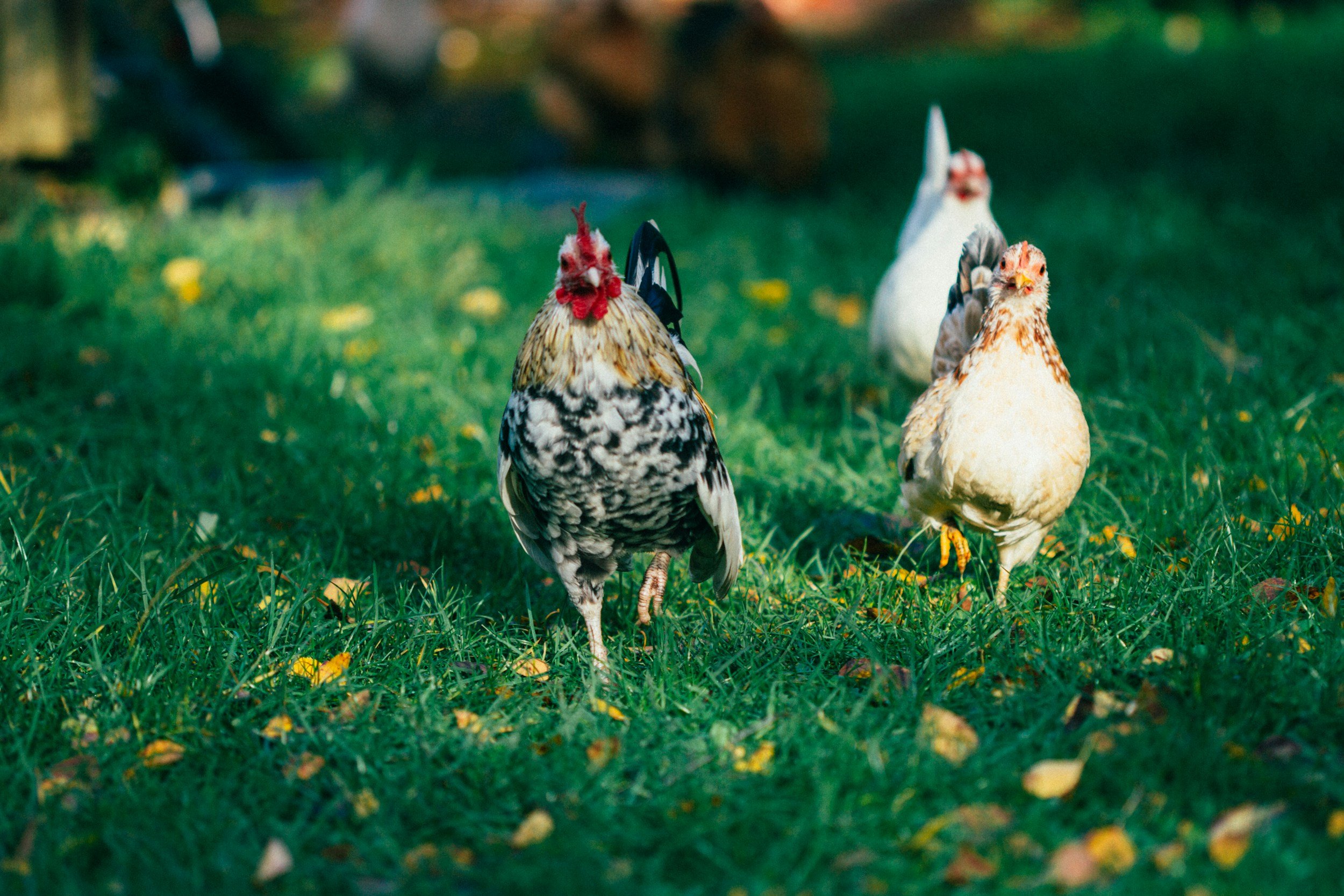
Winter Looks Different Everywhere
When we say "winter poultry management," we aren't only talking about snow.
Winter in Maine looks very different from winter in Florida, Oklahoma, Alaska, or the Southwest—and poultry management should reflect those differences.
Depending on where you live, seasonal challenges may include prolonged freezing temperatures, sudden cold snaps, heavy snow, freezing rain, wet and muddy conditions, shorter daylight hours, strong winds, dramatic temperature fluctuations, changes in predator activity, or shifts in available forage and nutrition.
Throughout the series, we'll discuss the why behind seasonal poultry management and explore strategies that can be adapted to your birds, your operation, your climate, and your region.
Wherever you raise poultry in the United States, this series is for you.
2026 WEBINAR SCHEDULE
October 6: Poultry Nutrition #1: Using Pumpkins
Fall brings pumpkins—and plenty of questions about whether they belong in the poultry yard.
We'll explore pumpkins as a seasonal addition to your flock's diet, including their nutritional value, appropriate feeding practices, what different parts of the pumpkin provide, and how pumpkins fit into an overall balanced poultry diet.
We'll also tackle some of the common claims and myths surrounding pumpkins and poultry so you can separate useful nutritional information from seasonal folklore.
Topics include:
Nutritional value of pumpkins
Safe feeding practices
Seeds, flesh, skin, and other considerations
Treats versus complete nutrition
Common pumpkin and poultry myths
Incorporating seasonal foods responsibly
October 20: Winterizing Your Flock Before the Snow Falls
Preparing for winter—or your region's version of it—starts before challenging weather arrives.
Learn how to evaluate your poultry housing and management systems for colder temperatures, precipitation, wind, changing daylight, and seasonal weather fluctuations.
From ventilation and bedding to water systems and emergency planning, we'll walk through practical steps you can take now to prepare your flock for the months ahead.
Topics include:
Coop and shelter preparation
Ventilation versus drafts
Bedding and moisture management
Winter water systems
Feed storage
Cold-weather equipment
Regional weather considerations
Preparing for storms and extreme weather
Developing a seasonal management plan
November 3: Healthy Hens in Cold Weather: Winter Poultry Health & First Aid
Seasonal changes can introduce new health challenges and make existing problems harder to manage.
Learn what to watch for as temperatures, daylight, moisture, activity, and flock behavior change throughout the colder months.
We'll discuss prevention, early recognition, basic first-aid preparedness, and when a poultry health concern requires additional assistance.
Topics include:
Monitoring body condition
Recognizing changes in flock behavior
Frostbite and cold-related concerns
Respiratory and moisture-related problems
Foot and skin health
Seasonal stress
Basic poultry first aid
Building a poultry first-aid kit
Knowing when to seek veterinary assistance
November 17: Poultry Nutrition #2: Left Over or Left Out?
Just in time for the holidays!
Can chickens have holiday leftovers? What about bread? Vegetables? Meat? Cranberries? Potatoes?
Kitchen scraps and leftovers can be confusing, especially when advice online ranges from "chickens can eat anything" to long lists of foods they're supposedly never allowed to touch.
We'll sort through the confusion and talk about what can be safely shared, what should be avoided, and how treats and scraps fit into a nutritionally balanced poultry diet.
Topics include:
Safe seasonal foods and kitchen scraps
Foods that should be limited
Foods that should be avoided
Holiday leftovers
Treats versus balanced feed
Portion and frequency considerations
Food safety and spoilage
Common feeding myths
December 1: Identifying & Preventing Poultry Predators
Something got into the coop—but what was it?
Different predators often leave different clues behind. Learning to recognize those clues can help poultry keepers identify vulnerabilities and make better decisions about protecting their birds.
We'll explore common poultry predators found throughout the United States, the evidence they may leave behind, and practical strategies for reducing predator losses.
Topics include:
Identifying common poultry predators
Tracks, feathers, injuries, entry points, and other evidence
Daytime versus nighttime predators
Aerial predators
Ground predators
Wildlife and domestic animal threats
Fencing and enclosure considerations
Coop security
Predator deterrence
Building a layered prevention strategy
December 15: Poultry Nutrition #3: Vitamins in Winter
Does your flock actually need vitamins during the winter?
The answer isn't always as simple as adding supplements to the water.
Our final webinar explores vitamins, minerals, supplementation, seasonal nutritional needs, and how environmental changes may affect poultry throughout the colder months.
We'll discuss how to recognize potential nutritional concerns while also looking at when supplementation may be helpful—and when it may be unnecessary.
Topics include:
Essential vitamins and minerals
Understanding complete poultry feeds
Seasonal nutritional considerations
Vitamin and mineral deficiencies
Supplementation
Electrolytes
Changes in forage availability
Treats and dietary dilution
Supporting birds during periods of environmental stress
When "more" isn't necessarily better
WHO SHOULD ATTEND?
This series is designed for poultry keepers and producers at all experience levels, including:
Backyard poultry keepers
Beginning farmers
Established poultry producers
Diversified farms
Homesteaders
Youth and families
Agricultural Educators
Agricultural Service Providers
Farm and food-system professionals
Anyone interested in learning more about responsible poultry management
You do not need to operate a commercial poultry farm to participate.
Whether you have five hens in your backyard or manage hundreds of birds as part of an agricultural business, you're welcome here.
LEARN WITH US FROM ANYWHERE!
Sunrider Ranch & Cultural Center's virtual programming allows us to bring poultry education directly to communities throughout the United States.
Our goal isn't to give every producer one rigid way of raising poultry. Instead, we want to help participants understand the science, reasoning, and management principles behind the recommendations so they can make informed decisions for their own birds, climate, resources, and operation.
Ask questions. Build knowledge. Take what you learn back to your flock.
Registration is free.
Choose one, several, or all six webinars when completing the registration form.
Registered participants will receive additional information and virtual meeting details prior to each webinar.
Questions about the series?
Contact Sunrider Ranch & Cultural Center or connect with us through our website and social media.